Sylvain lives in Quebec, Canada, but he always thought about those days when he could take his bike and ride around Cambrils. For him, cycling wasn’t just a sport to stay in shape, but a way to take care of his health in retirement.

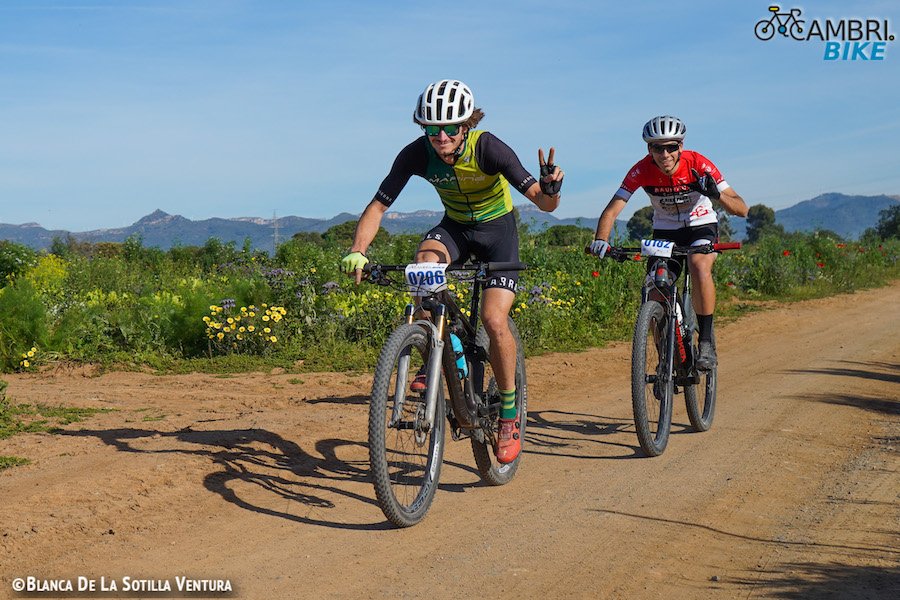
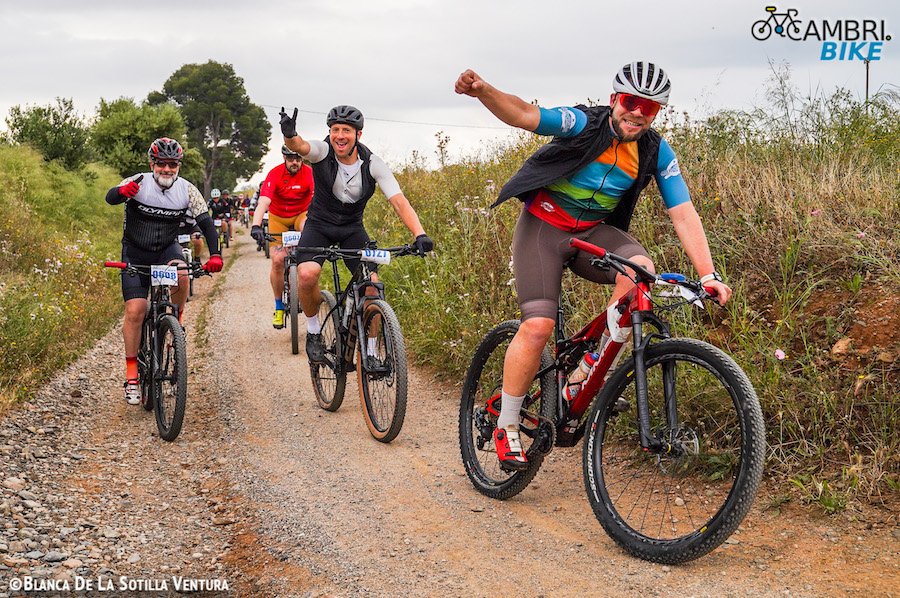
He considered himself an average cyclist and estimated he rode about 7,000 kilometers a year . “I rode my bike for pure pleasure,” he said, and what motivated him most was tackling the mountains surrounding Cambrils. He had discovered Cambrils a few years after cycling through the Serra de Tramuntana in Mallorca, where he had spent six years exploring the island. He needed a change, and although his friends in Quebec spoke to him about Denia and Cambrils, when he tried Cambrils four years ago, he kept coming back.

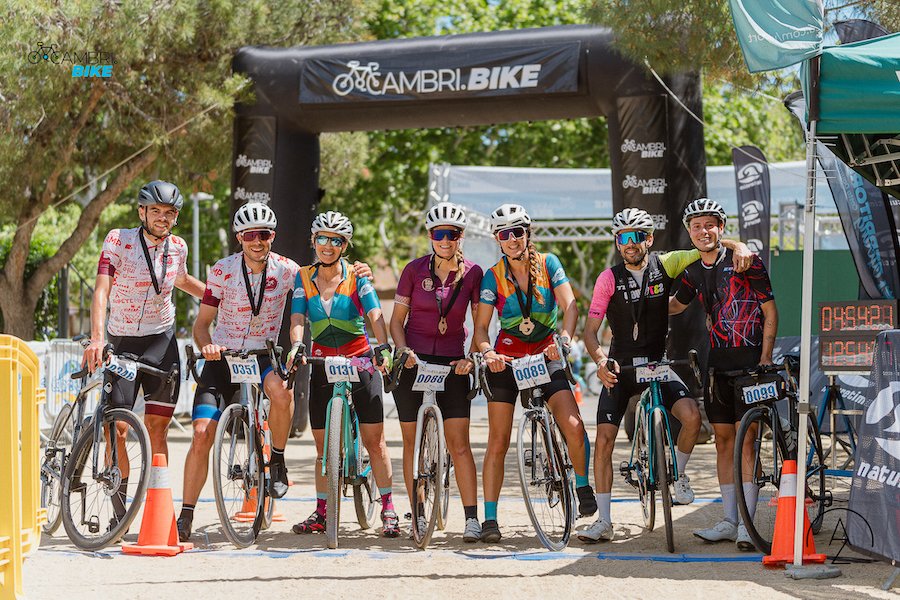
On the other hand, there was Joris, a Belgian who came from a place where cycling was much more than a sport, almost a religion. He defined himself as “something competitive but with good vibes” and claimed that every good bike ride ended with a beer with friends.

Joris discovered Cambrils more than ten years ago . From his first visit, he was hooked on cycling and exploring the area. “I wasn’t one of those people who spent all day on the beach,” he said. “My first route was through the Serra de Llaberia, and I instantly fell in love.” So much so that he ended up buying a holiday home there and visiting several times a year, organizing get-togethers with cycling friends to ride together.”
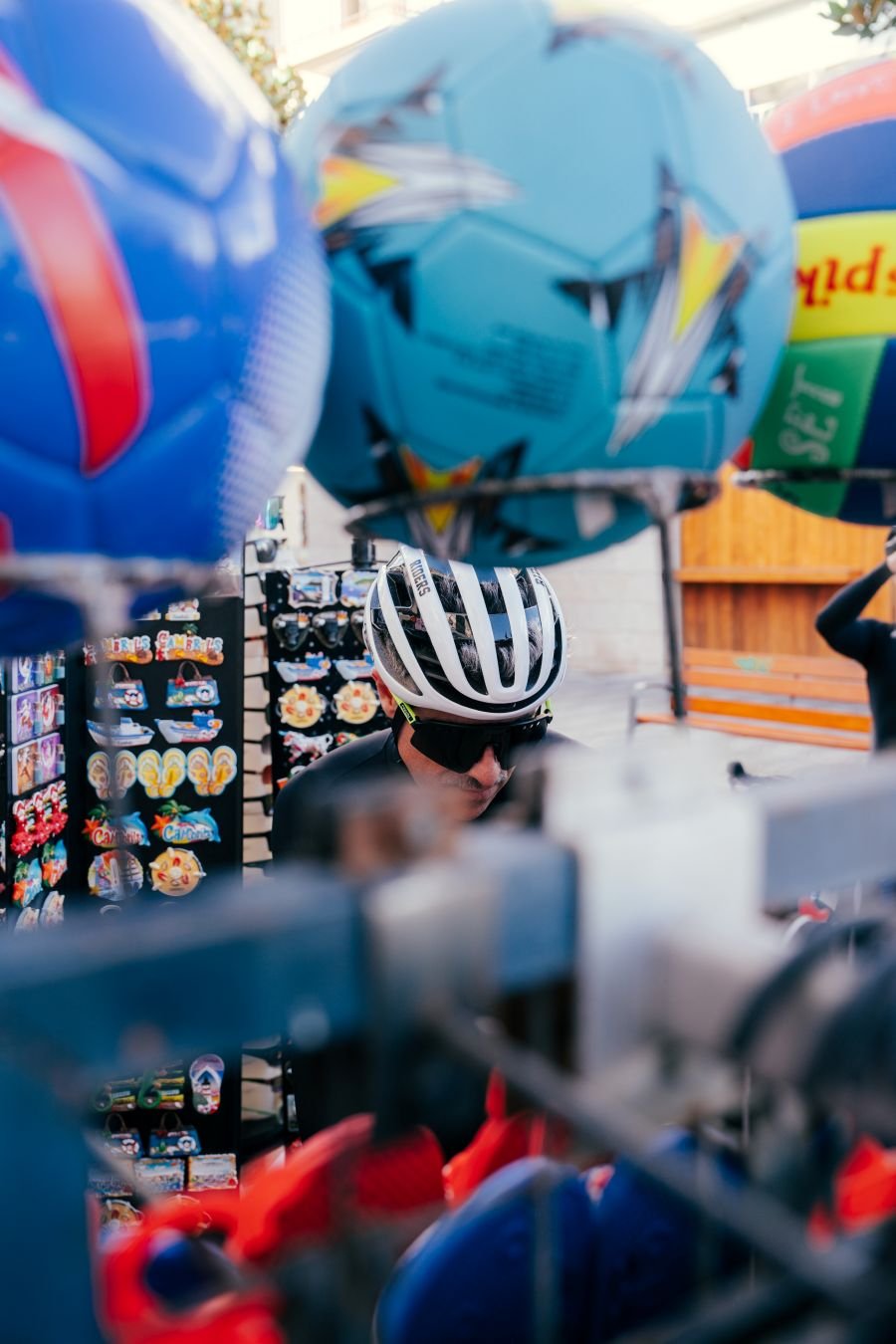
When asked why he chose Cambrils for cycling, Sylvain replied that the Costa Daurada, and especially Cambrils and its surroundings, offered routes for all levels, with safe roads and drivers who were respectful of cyclists .

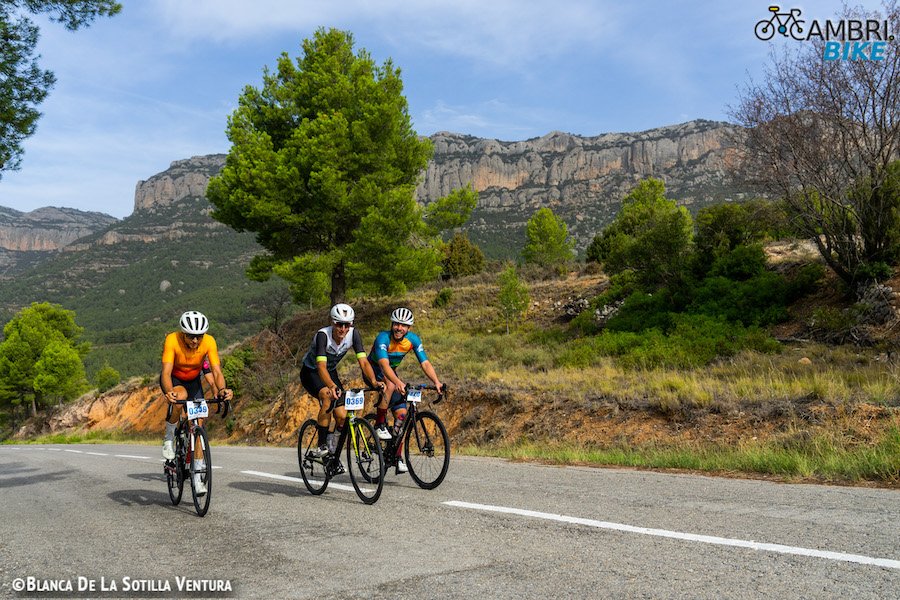
Joris added that the weather was also a strong point: although some days dawned windy, that wasn’t a problem. You could ride easy routes on the flat or seek out tougher climbs inland, and you always crossed paths with other cyclists, which meant you never felt alone.

Sylvain remembered that cycling through vineyards, almond trees, and orange groves connected you with nature . And after the route, there was nothing better than a good wine and delicious food. “Going out into the town, trying tapas, meeting people, and visiting their shops full of history was something I enjoyed every year.”
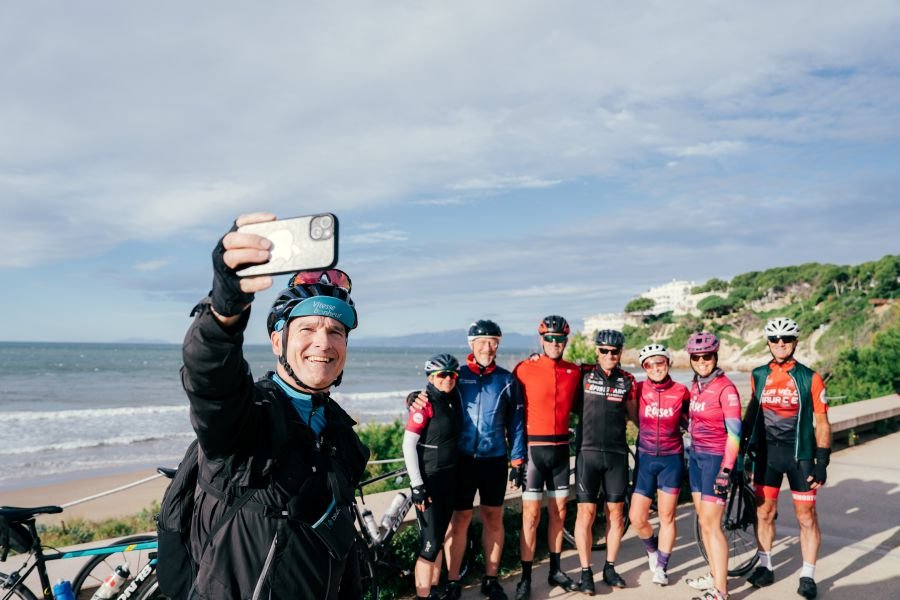
Regarding the seasons, he said spring and autumn were perfect for cycling. “The first six kilometers out of Cambrils can be a bit tough, but then come the climbs that really get you going.”

As for routes, Sylvain had several favorites starting and finishing in Cambrils, always with alternatives depending on his current physical condition:

  • Coldejou, Marca, Falset, Porrera and return through Teixeta (77 km and 1226 meters)

  • Llaberia round trip via Camí de Pratdip (85 km and 1378 metres) or with the option to Hospitalet (82 km and 1211 metres)

  • Escornalbou: Vinyols, Ruidoms, Montbrió, Villanova, Escornalbou Castle, Argentera and return through Montbrió (60 km and 800 meters)

  • Vinyols, Ruidoms, Les Borges, Maspujols, Alexia’s, Villaplana, Mussara and return through Alforja (77 km and 1256 meters)

  • Climb to Teixeta and pass to Porrera, with return via Falset and Colldejou

  • Vinyols, Ruidoms, Alforja, Portugal, Selva and return through Reus (62 km and 830 meters)

  • Montroig, Coldejou, Marca, El Masroig, El Molar, El Lloar, Grataloops, Torroja del Priorat, Porrera and return through Teixeta (105 km and 1900 meters)

  • Pratdip, C44, Tivissa, Serra d’Almos, Darmos, El Masroig, Marca and return via Colldejou (102 km and 1614 meters)

  • Vinyols, Ruidoms, N420 to the roundabout towards Alexia’r, Villaplana, Selva, L’Albiol, crossing Mussara and returning to Alforja (94 km and 1428 meters)

Sylvain only had good things to say about Cambrils: its routes, the safety of the roads, the low traffic and the kindness of the people , who were always willing to lend a hand if you had any problems.

Joris concluded with a touch of mystery: “I would recommend it to other cyclists, but I’d like to keep this gem to myself, so it doesn’t get crowded…”
More on our blog

More on our blog

  • Cambrils volvió a pedalear más allá de su mapa hace unos días, esta vez rumbo a San Sebastián, donde la Costa Daurada presentó su proyecto más ambicioso de los próximos años: el aterrizaje del Tour de France 2026.

    La capital guipuzcoana, con ese aroma constante a ciclismo que ha visto rodar a generaciones enteras, fue el escenario final de un periplo promocional que ya había pasado por Gijón, Madrid y Valencia.

    El acto, en un espacio emblemático de Donostia, reunió a 77 asistentes de esos que entienden el ciclismo no sólo como deporte, sino como cultura: Mujeres en Ruta, gente de Euskaltel, la firma Etxeondo, varios ciclistas profesionales y exprofesionales… un ecosistema que reconoce de inmediato cuando un territorio se toma en serio eso de invitar al ciclista a descubrirlo sin prisas, a golpe de pedal.

    Y ahí Cambrils se siente cómodo, casi en casa.

    Lleva años empujando su apuesta por el cicloturismo como quien pule una artesanía: rutas bien pensadas, carreteras que serpentean entre mar y montaña, servicios afinados para quien viaja con bicicleta, hoteles que saben qué necesita un ciclista cuando regresa cargado de kilómetros y silencio en las piernas.

    Un destino que ha entendido que el ciclismo no es sólo deporte: es una forma de viajar, de ocupar el territorio, de desestacionalizar sin perder identidad.

    En San Sebastián, Cambrils jugó un papel que fue más allá de la foto.

    Ofreció apoyo institucional, sí, pero también algo muy suyo: gastronomía de territorio. El cóctel llevó sello cambrilense y cada asistente se marchó con una botella de Aceite de Oliva Virgen Extra de Cambrils, ese pequeño recordatorio líquido de que muchas veces el ciclismo —como la cocina— funciona por matices, por sabores que definen un lugar.

    El ciclo de presentaciones tenía un objetivo claro: posicionar la Costa Daurada como el “Paraíso de las dos ruedas” en el contexto del Tour . No es menor: en 2026, por primera vez, el Tour rodará por estas carreteras.

    La etapa del 5 de julio, entre Tarragona y Barcelona, será un escaparate global, un mapa emocional que millones de aficionados recorrerán desde sus pantallas… y que algunos, después, querrán pedalear.

    La cita de San Sebastián, además, jugó con símbolos que pesan: el trofeo del Tour y el icónico maillot de líder de la montaña, allí expuestos, recordaron al público que el ciclismo vive de historias, de objetos que condensan hazañas y cicatrices. Hubo eco mediático, como era de esperar.

    Patricia de Miguel, concejala de Turisme i Promoció Econòmica, lo resumió con la claridad de quien sabe hacia dónde quiere pedalear el municipio: “Cambrils tiene la oportunidad de presentarse al mundo como destino ciclista de referencia. El Tour 2026 no es sólo un evento: es una puerta abierta para mostrar la calidad del territorio, nuestros servicios especializados y una oferta gastronómica y turística que nos hace diferentes”.

    El encuentro dejó lo que deja el buen ciclismo: contactos, sinergias, conversaciones que pueden convertirse en rutas, viajes y proyectos. Más visibilidad para la Costa Daurada, más proyección para Cambrils.

  • The Gran Parc del Pescador, in Cambrils, is one of the largest and most emblematic green spaces in the city, designed so that both residents and visitors can enjoy moments of rest and leisure. With more than 20,000 square meters, it is an ideal place to walk, relax or spend the day with family and friends.

    This park is not only a place to breathe fresh air: it is also a cultural meeting point. It has an auditorium and a large square where concerts, theatrical performances and all kinds of events are held. This makes it a very versatile space, where something different and fun can happen every weekend.

    For the little ones, the park is a true paradise. There are three play areas adapted to different ages: one for boys and girls from zero to six years old, another for those from two to ten years old and a last one for the older ones, from eight to fourteen years old. This way, each child can enjoy games specially designed for their age and level, making the experience safer and more fun.

    The park has five different entrances, with several paths connecting all the areas. In addition, there are many corners to rest and enjoy nature: under the shade of the trees, next to the small lake or in the Mediterranean garden. Everything is designed so that visitors feel comfortable and can spend hours there without rushing.

    And if you’re hungry or want a drink, there’s a very nice bar, located next to the Cambrils Tourist Board, where you can take a break while enjoying the views of the park.

    Furthermore, the Gran Parc del Pescador is the perfect place for bike lovers. It is the ideal point to meet up with friends and start cycling trips from Cambrils, preparing the first pedal rides before taking to the road or paths.

    In short, the Gran Parc del Pescador is much more than a park: it is a meeting point, a place to play, learn, relax and, of course, start cycling adventures. Whether you come to do sports, to walk, to participate in cultural activities or simply to enjoy nature, this green space offers everything you need to spend a fantastic day in Cambrils.

  • The Costa Daurada will once again be cycling territory in 2026. The 105th edition of the Volta Ciclista a Catalunya will feature a stage entirely within the region, a territory that combines beaches, mountainous interior, and roads ideal for cycling. The race will start in Mont-roig del Camp and finish in Vila-seca , but the most important aspect is not the specific towns, but the region itself: its landscapes and roads are perfect for enjoying cycling.

    Three years ago, a stage finishing in Cambrils provided one of the most memorable days of the Volta a Catalunya: Richard Carapaz and Sergio Higuita staged a historic breakaway, riding through landscapes like Prades, the Coll de la Teixeta, Capafonts, and La Mussara. That day it became clear that the Costa Daurada is not just sea and beaches, but also mountainous interior and roads with everything a cyclist could ask for.

    In 2026, the Volta a Catalunya will once again travel along the Costa Daurada, although the stage won’t pass directly through Cambrils, but very close by, demonstrating that the area remains a pioneering destination for cycle tourism . Its landscapes, pleasant climate, and combination of sea and mountains make the entire region ideal for cycling routes of all levels.

    Cambrils, located on the Costa Daurada, is a good example of this: its surroundings offer quiet roads, spectacular views and perfect spots for cycling, the result of a territory that has committed to cycle tourism and has developed infrastructure and services adapted to those who enjoy cycling.

    For now, the route of the Vuelta a España is still unknown , but everything points to the Costa Daurada potentially hosting another major professional cycling event in the near future.

    Image: Manel Montilla