
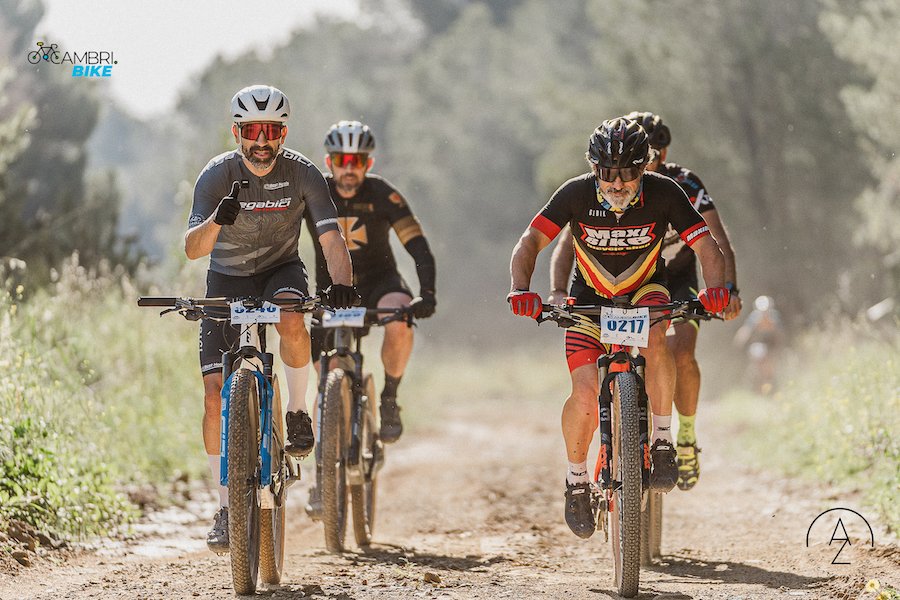
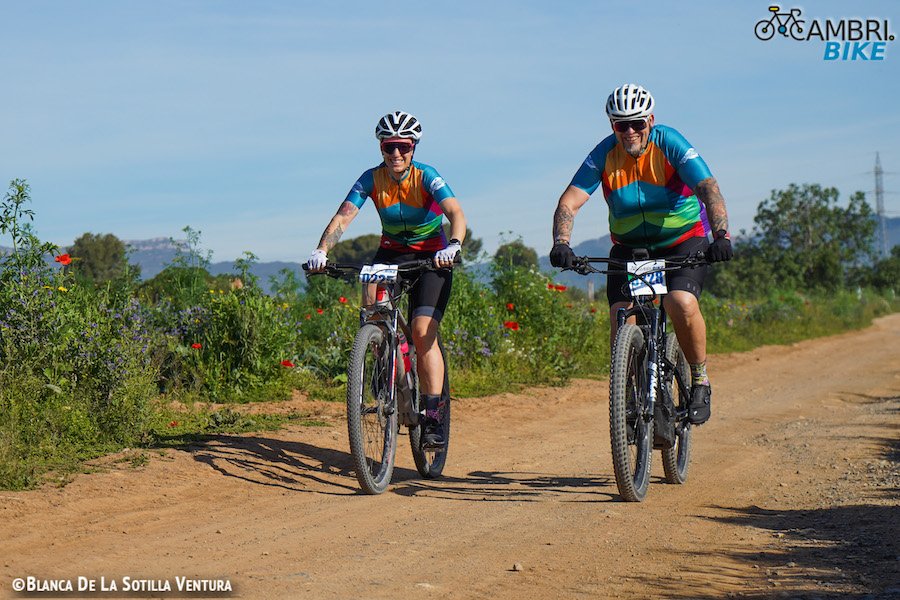
Cambrils BTT Orígens will be held next Saturday, May 23.
We are talking about an event that stands out for its inclusive nature, offering four routes designed so that any type of cyclist can find their place, from families and amateurs to experienced athletes looking to push their potential.
The day will begin at 9:00 a.m. and will extend until the finish line closes at 2:00 p.m. , allowing all participants to enjoy a morning of sport in a privileged natural environment marked by the mild climate of the Costa Daurada.
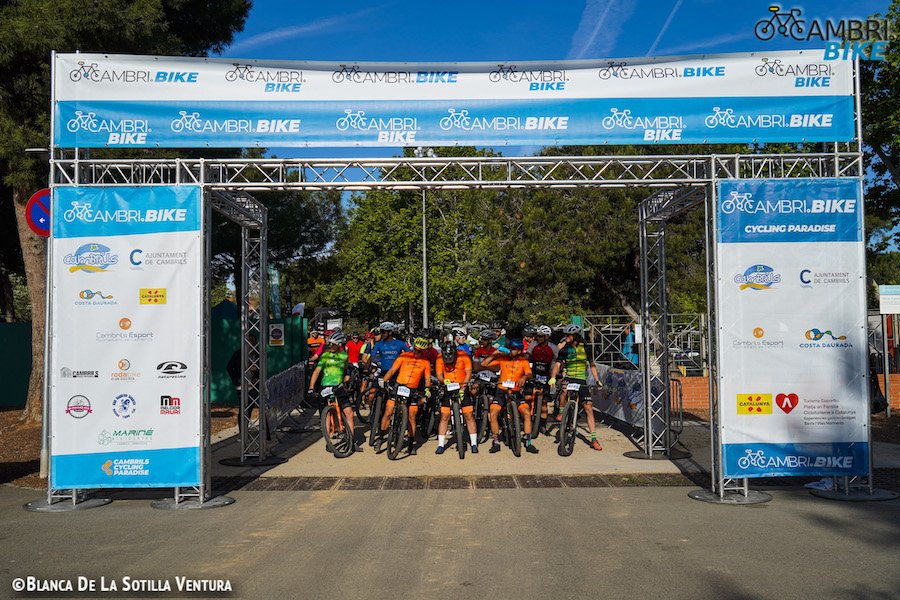
The short distances of 22 and 35 kilometers are designed for those who wish to enjoy the scenery in a relaxed way .
These are easy, highly cyclable routes that explore rural roads and the agricultural landscape near the village. With gentle elevation changes of between 100 and 250 meters, these routes allow participants to decide on the fly which one to complete based on their own experience.
It is the ideal option for those who want to ride among vineyards and crops with a full supply of fruit, bars and isotonic drinks to recover strength.
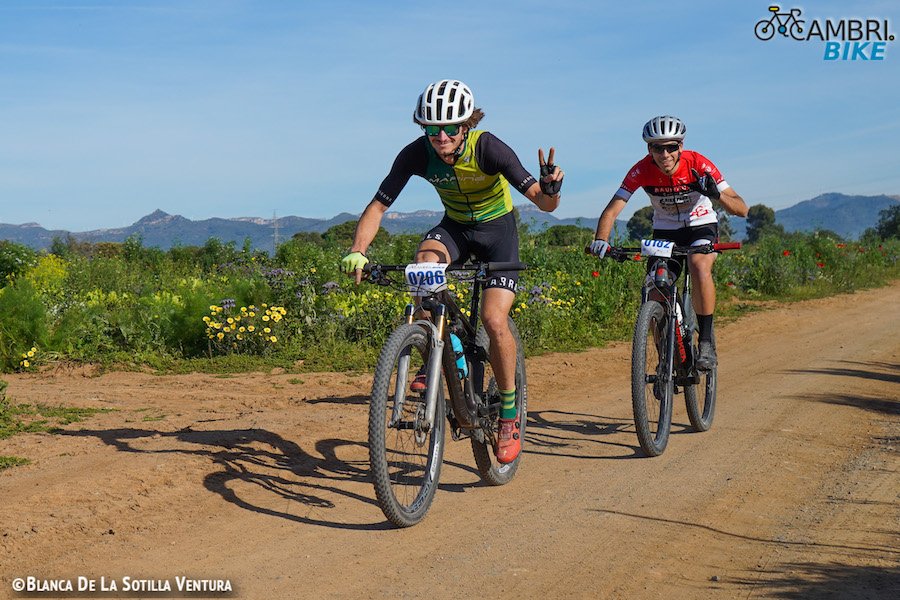
For more experienced cyclists who regularly ride, the proposal increases in level with the 47 and 55 kilometer routes .
These more technical and demanding routes venture into the Baronia d’Escornalbou and the Serra del Pradell. Although the overall spirit is not competitive, speed enthusiasts will find two specific time trials where they can test their times.
Those who opt for the 47-kilometer distance will face a timed climb of 2.5 kilometers, while those who choose the 55-kilometer distance will add a second timed climb of an additional 2 kilometers.
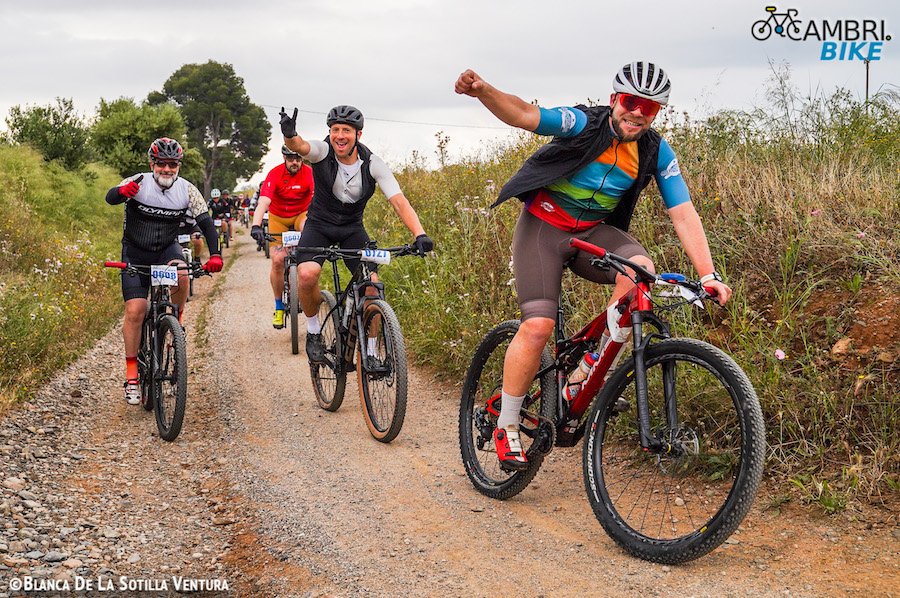
The Cambrils BTT Orígens is an open event for conventional, electric and gravel mountain bikes , featuring three aid stations on its long routes and prizes for the three best times in each category.
The physical effort is rewarded with spectacular views of the Riudecanyes reservoir and the coastline from the highest points of the mountain range.
The event is not only a sporting challenge, but a complete experience that merges the varied terrain of the area with the best local tradition.
The day culminates at the finish line, where Cambrils’ hospitality is evident in a gourmet refreshment with fideuà for all participants .
Although registration does not include the free jersey, there is the option to purchase it to keep a souvenir of this experience.
It is, in short, the perfect opportunity to discover why this destination is a paradise for cycle tourists, combining impeccable organization, top-notch gastronomy and a cultural richness that invites you to stay after crossing the finish line.
Images: Blanca de la Sotilla Ventura
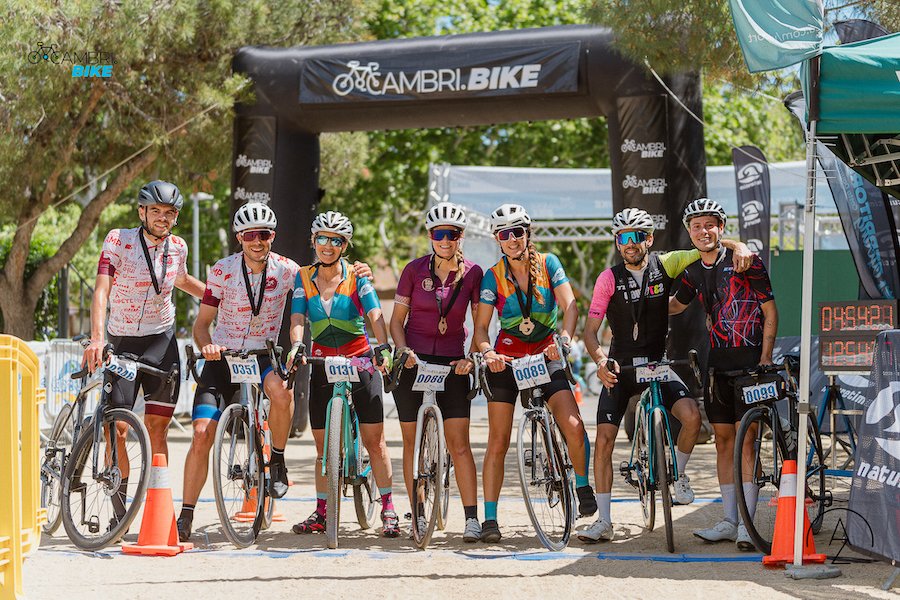
The cycling essence of Cambrils is summarized in the Bioracer Cambrils Road
If you’re looking for the ideal setting to devour kilometers on asphalt, Cambrils presents itself as the epicenter of cycling on the Costa Daurada.
Its strategic location, embraced by the Mediterranean and guarded by the inland mountains , offers a privileged ecosystem that allows you to enjoy cycling all year round.
Here, the terrain is a gift for the legs, allowing you to go from the sea breeze to demanding mountain passes in just a few minutes, all under a light that only the Tarragona coast knows how to provide.
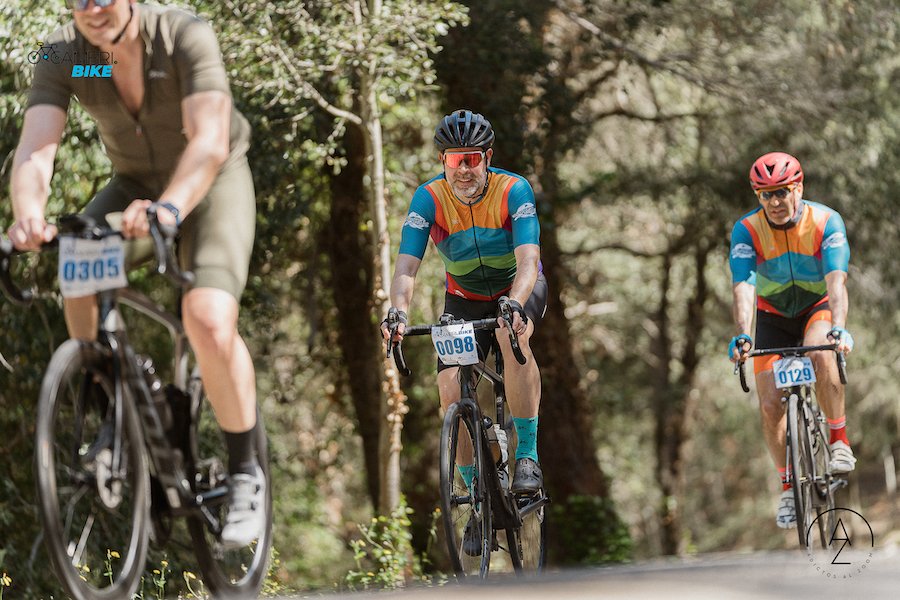
In this unbeatable setting, the Bioracer Cambrils Road returns , a date marked on the calendar for Sunday, May 24.
Far from the mass marches, this event opts for a family-friendly and intimate format, limiting participation to around 700 cyclists to guarantee safety and enjoyment.
It’s a day designed to let you feel the road, with the support of a security detail from the Mossos d’Esquadra (Catalan police) and volunteers who watch over every intersection, allowing you to focus solely on pedaling.
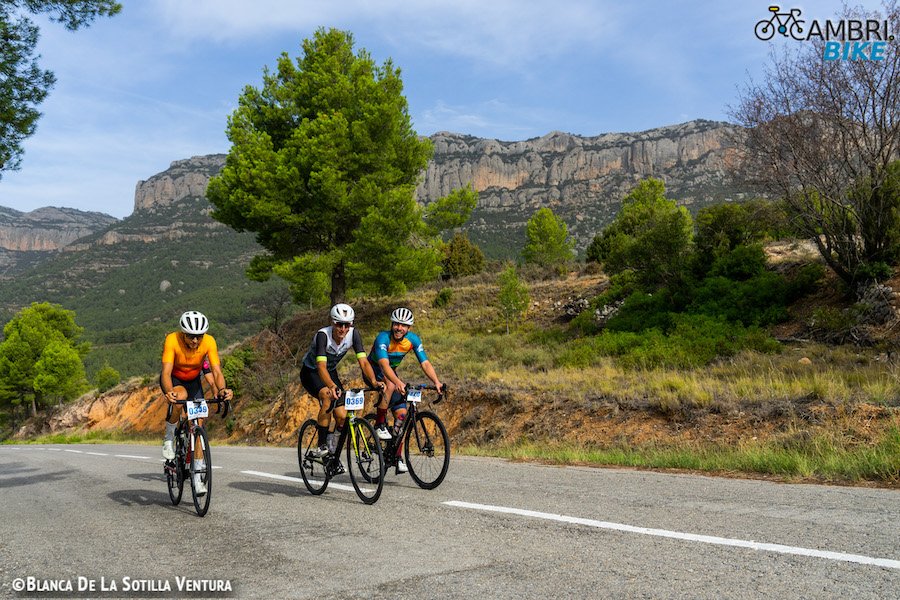
Two challenges between the sea and Priorat
The event offers two routes that adapt to your fitness level and ambition.
The short 85-kilometer route offers a balanced journey with three easy climbs , ideal for those looking for an active morning without excesses.
On the other hand, the 125-kilometer option goes into the heart of Priorat , adding an extra loop that increases the challenge.
This route includes six mountain passes, among which the dreaded section known as No ploris nen stands out, an 11-kilometer climb with final ramps that reach 18 percent gradient.
Both routes run along quiet roads and through mountain landscapes amidst forests, offering spectacular views of the coast with the sea always in the background.
Participating in this march, integrated into the Circuit Català de Llarga Distància , also means enjoying premium services.
From a high-quality Bioracer jersey to a finisher’s medal that recognizes your effort, everything is designed to make the runner feel like the star.
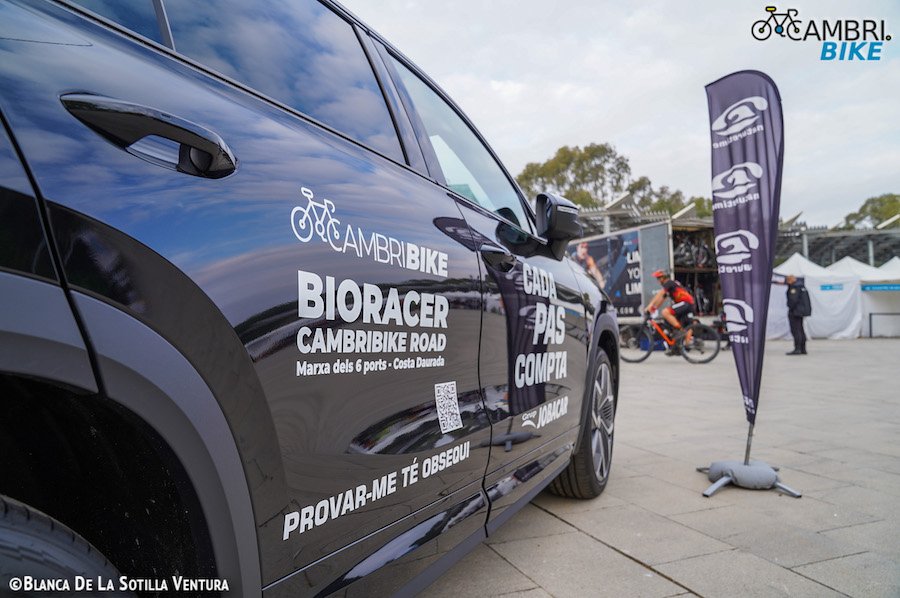
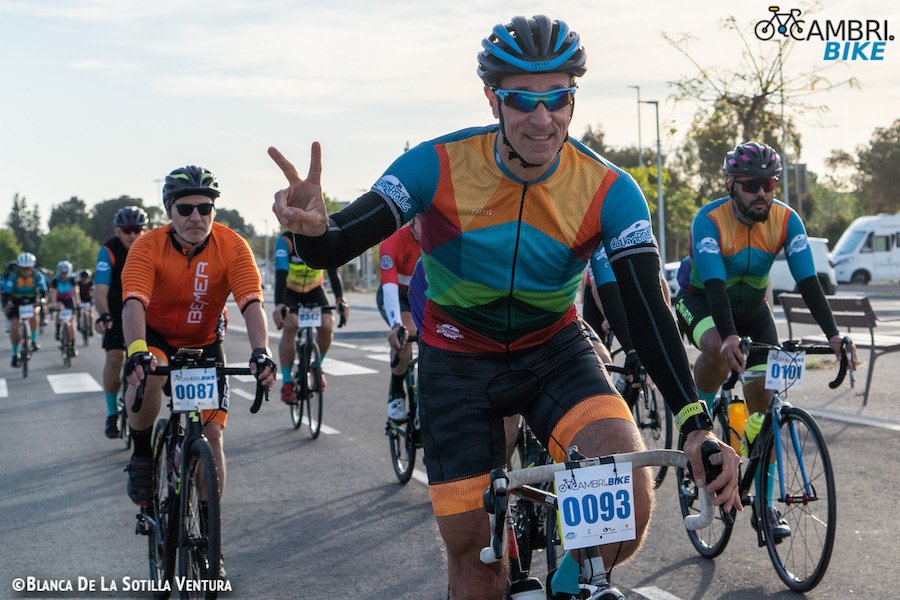
Gastronomy and services in the goal
Upon crossing the finish line, the experience does not end, but rather transforms into a celebration of togetherness and recovery.
The organization offers gourmet refreshments with a fideuà , reflecting the gastronomic excellence of Cambrils, a city famous for its fish markets and its seafood cuisine.
In addition, you’ll have access to physiotherapy, mechanical services, and photography to ensure you have the perfect memories of your day. It’s the ultimate combination of sport, nature, and Mediterranean culture.
Registration remains open until all bib numbers are sold out or until one week before the event.
It is the perfect opportunity to experience an authentic weekend of cycle touring, breathing in the spirituality of the Priorat forests and always returning to the shelter of a destination that breathes the sea.
Cambrils awaits you with open arms and your bike ready.
Get ready, on May 23rd and 24th Cambrils becomes the epicenter of cycling with a new edition of Cambribike!
If you’re passionate about two wheels, we have a double date you can’t miss.
This year we have set ourselves an ambitious challenge: we want our road ride to be the real “engine” of the event, aiming to bring together between 500 and 700 cyclists .
It’s a significant leap forward compared to previous years, and we want you to be part of that group!
The action kicks off on Saturday the 23rd with Cambrils BTT Orígenes
It’s an event designed for everyone , from those who go for a family stroll to those looking to push themselves to the limit.
The best part is that you’re in charge: there are four distances divided into two blocks, and you can decide which one to do on the fly depending on how strong you feel.
For those looking for something relaxed, we have the short distances of 22 km (100 m+) and 35 km (250 m+).
These are easy, enjoyable, and flat routes around Cambrils and the Costa Daurada, ideal for amateurs or for enjoying with the little ones.
If you already have tough legs, the long distances of 47 km (750m+) and 55 km (950m+) await you .
Things get serious here with more technical trails through the Barony of Escornalbou and the Sierra del Pradell.
And be warned, because although it’s not a total race, there’s some spice!
We have prepared two time trials with prizes for the three best (men and women) in each modality: MTB, E-bike and Gravel.
The 47km route has a timed section of 2.5km, and the 55km route adds a second timed section of 2km.
To recover our strength, in addition to the refreshments along the route, a gourmet fideuà of epic proportions awaits us all at the finish line.
On Sunday the 24th we switched gears and went from knobby tires to asphalt with the Bioracer Cambrils Road
It’s our big cycling tourism bet , a ride controlled by volunteers and Mossos d’Esquadra so that you only have to worry about pedaling and enjoying the Priorat landscape.
You have two options: an 85km route with three manageable climbs, or the 125km challenge that adds an extra loop and six mountain passes.
If you choose the long route, you will face the famous “No llores niño” climb: 11 km uphill (530m+) with final ramps of 18% that will test you.
To make the experience truly exceptional, this event includes physiotherapy services, photographers, chip timing, and the official event jersey designed by Bioracer, a leading brand in the sector.
We want you to feel like a professional surrounded by nature, tranquility and the best cycling environment.
Whether it’s the trails on Saturday or the mountain passes on Sunday, Cambrils awaits you with open arms and your bike ready.
See you at the exit!
-
Cambrils BTT Orígens will be held next Saturday, May 23.
We are talking about an event that stands out for its inclusive nature, offering four routes designed so that any type of cyclist can find their place, from families and amateurs to experienced athletes looking to push their potential.
The day will begin at 9:00 a.m. and will extend until the finish line closes at 2:00 p.m. , allowing all participants to enjoy a morning of sport in a privileged natural environment marked by the mild climate of the Costa Daurada.
The short distances of 22 and 35 kilometers are designed for those who wish to enjoy the scenery in a relaxed way .
These are easy, highly cyclable routes that explore rural roads and the agricultural landscape near the village. With gentle elevation changes of between 100 and 250 meters, these routes allow participants to decide on the fly which one to complete based on their own experience.
It is the ideal option for those who want to ride among vineyards and crops with a full supply of fruit, bars and isotonic drinks to recover strength.
For more experienced cyclists who regularly ride, the proposal increases in level with the 47 and 55 kilometer routes .
These more technical and demanding routes venture into the Baronia d’Escornalbou and the Serra del Pradell. Although the overall spirit is not competitive, speed enthusiasts will find two specific time trials where they can test their times.
Those who opt for the 47-kilometer distance will face a timed climb of 2.5 kilometers, while those who choose the 55-kilometer distance will add a second timed climb of an additional 2 kilometers.
The Cambrils BTT Orígens is an open event for conventional, electric and gravel mountain bikes , featuring three aid stations on its long routes and prizes for the three best times in each category.
The physical effort is rewarded with spectacular views of the Riudecanyes reservoir and the coastline from the highest points of the mountain range.
The event is not only a sporting challenge, but a complete experience that merges the varied terrain of the area with the best local tradition.
The day culminates at the finish line, where Cambrils’ hospitality is evident in a gourmet refreshment with fideuà for all participants .
Although registration does not include the free jersey, there is the option to purchase it to keep a souvenir of this experience.
It is, in short, the perfect opportunity to discover why this destination is a paradise for cycle tourists, combining impeccable organization, top-notch gastronomy and a cultural richness that invites you to stay after crossing the finish line.
Images: Blanca de la Sotilla Ventura
-
The cycling essence of Cambrils is summarized in the Bioracer Cambrils Road
If you’re looking for the ideal setting to devour kilometers on asphalt, Cambrils presents itself as the epicenter of cycling on the Costa Daurada.
Its strategic location, embraced by the Mediterranean and guarded by the inland mountains , offers a privileged ecosystem that allows you to enjoy cycling all year round.
Here, the terrain is a gift for the legs, allowing you to go from the sea breeze to demanding mountain passes in just a few minutes, all under a light that only the Tarragona coast knows how to provide.
In this unbeatable setting, the Bioracer Cambrils Road returns , a date marked on the calendar for Sunday, May 24.
Far from the mass marches, this event opts for a family-friendly and intimate format, limiting participation to around 700 cyclists to guarantee safety and enjoyment.
It’s a day designed to let you feel the road, with the support of a security detail from the Mossos d’Esquadra (Catalan police) and volunteers who watch over every intersection, allowing you to focus solely on pedaling.
Two challenges between the sea and Priorat
The event offers two routes that adapt to your fitness level and ambition.
The short 85-kilometer route offers a balanced journey with three easy climbs , ideal for those looking for an active morning without excesses.
On the other hand, the 125-kilometer option goes into the heart of Priorat , adding an extra loop that increases the challenge.
This route includes six mountain passes, among which the dreaded section known as No ploris nen stands out, an 11-kilometer climb with final ramps that reach 18 percent gradient.
Both routes run along quiet roads and through mountain landscapes amidst forests, offering spectacular views of the coast with the sea always in the background.
Participating in this march, integrated into the Circuit Català de Llarga Distància , also means enjoying premium services.
From a high-quality Bioracer jersey to a finisher’s medal that recognizes your effort, everything is designed to make the runner feel like the star.
Gastronomy and services in the goal
Upon crossing the finish line, the experience does not end, but rather transforms into a celebration of togetherness and recovery.
The organization offers gourmet refreshments with a fideuà , reflecting the gastronomic excellence of Cambrils, a city famous for its fish markets and its seafood cuisine.
In addition, you’ll have access to physiotherapy, mechanical services, and photography to ensure you have the perfect memories of your day. It’s the ultimate combination of sport, nature, and Mediterranean culture.
Registration remains open until all bib numbers are sold out or until one week before the event.
It is the perfect opportunity to experience an authentic weekend of cycle touring, breathing in the spirituality of the Priorat forests and always returning to the shelter of a destination that breathes the sea.
Cambrils awaits you with open arms and your bike ready.
January 20, 2026
What a wonderful route you’ve planned! After conquering the mountain ...
December 9, 2025
Cambrils volvió a pedalear más allá de su mapa hace ...
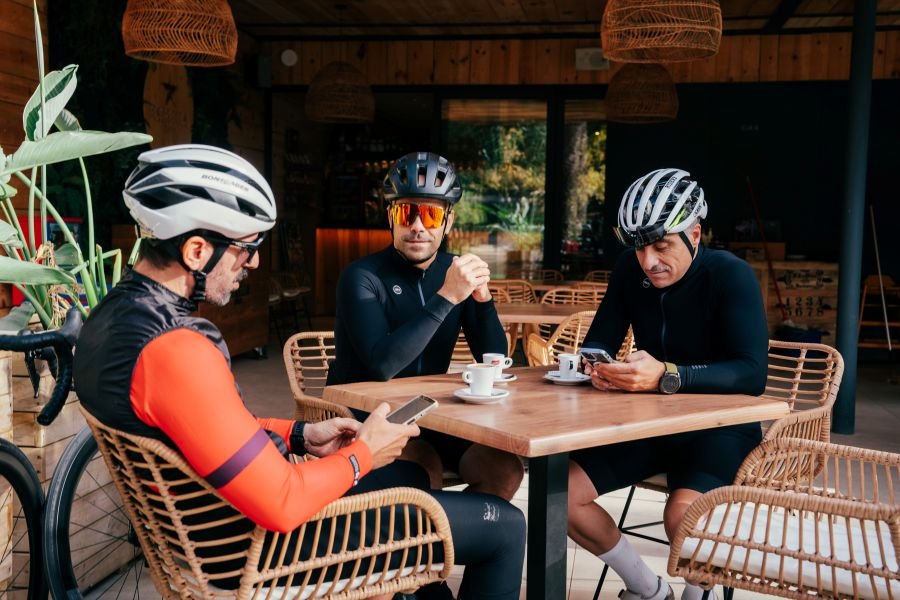
The Gran Parc del Pescador, in Cambrils, is one of the largest and most emblematic green spaces in the city, designed so that both residents and visitors can enjoy moments of rest and leisure. With more than 20,000 square meters, it is an ideal place to walk, relax or spend the day with family and friends.
This park is not only a place to breathe fresh air: it is also a cultural meeting point. It has an auditorium and a large square where concerts, theatrical performances and all kinds of events are held. This makes it a very versatile space, where something different and fun can happen every weekend.
For the little ones, the park is a true paradise. There are three play areas adapted to different ages: one for boys and girls from zero to six years old, another for those from two to ten years old and a last one for the older ones, from eight to fourteen years old. This way, each child can enjoy games specially designed for their age and level, making the experience safer and more fun.
The park has five different entrances, with several paths connecting all the areas. In addition, there are many corners to rest and enjoy nature: under the shade of the trees, next to the small lake or in the Mediterranean garden. Everything is designed so that visitors feel comfortable and can spend hours there without rushing.
And if you’re hungry or want a drink, there’s a very nice bar, located next to the Cambrils Tourist Board, where you can take a break while enjoying the views of the park.
Furthermore, the Gran Parc del Pescador is the perfect place for bike lovers. It is the ideal point to meet up with friends and start cycling trips from Cambrils, preparing the first pedal rides before taking to the road or paths.
In short, the Gran Parc del Pescador is much more than a park: it is a meeting point, a place to play, learn, relax and, of course, start cycling adventures. Whether you come to do sports, to walk, to participate in cultural activities or simply to enjoy nature, this green space offers everything you need to spend a fantastic day in Cambrils.

The Costa Daurada will once again be cycling territory in 2026. The 105th edition of the Volta Ciclista a Catalunya will feature a stage entirely within the region, a territory that combines beaches, mountainous interior, and roads ideal for cycling. The race will start in Mont-roig del Camp and finish in Vila-seca , but the most important aspect is not the specific towns, but the region itself: its landscapes and roads are perfect for enjoying cycling.
Three years ago, a stage finishing in Cambrils provided one of the most memorable days of the Volta a Catalunya: Richard Carapaz and Sergio Higuita staged a historic breakaway, riding through landscapes like Prades, the Coll de la Teixeta, Capafonts, and La Mussara. That day it became clear that the Costa Daurada is not just sea and beaches, but also mountainous interior and roads with everything a cyclist could ask for.
In 2026, the Volta a Catalunya will once again travel along the Costa Daurada, although the stage won’t pass directly through Cambrils, but very close by, demonstrating that the area remains a pioneering destination for cycle tourism . Its landscapes, pleasant climate, and combination of sea and mountains make the entire region ideal for cycling routes of all levels.
Cambrils, located on the Costa Daurada, is a good example of this: its surroundings offer quiet roads, spectacular views and perfect spots for cycling, the result of a territory that has committed to cycle tourism and has developed infrastructure and services adapted to those who enjoy cycling.
For now, the route of the Vuelta a España is still unknown , but everything points to the Costa Daurada potentially hosting another major professional cycling event in the near future.
Image: Manel Montilla
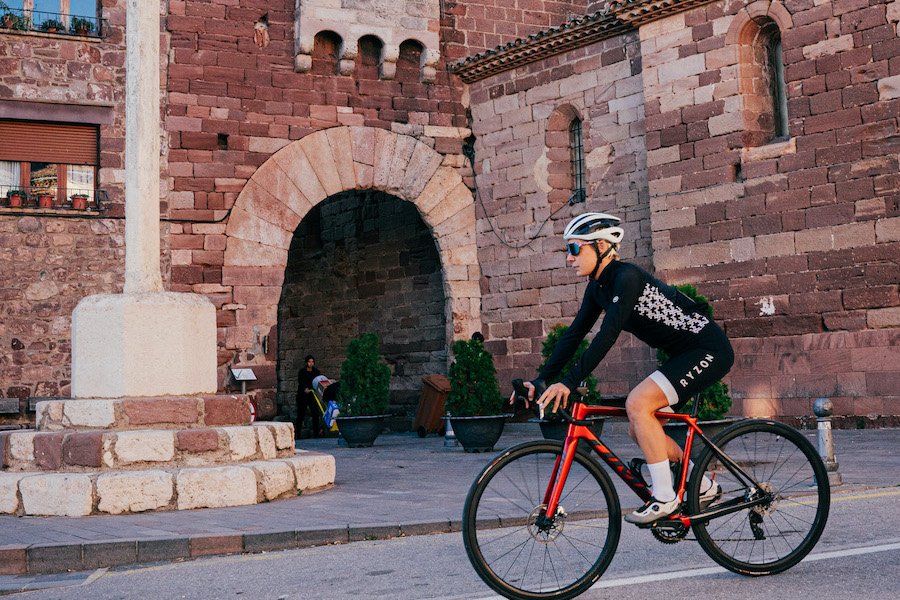
Discovering the Serra de Prades by bike is one of those experiences that remains recorded. Pedaling along its quiet roads and paths allows you to feel the nature, the silence and the history that surrounds every corner.
In the heart of the mountains is the municipality of Prades , a place with charm and mountain soul, where time seems to go to another rhythm and where every bend invites you to stop, look and breathe.
Just 35 kilometers from Cambrils , the ascent to Prades is already an adventure for cyclists: a classic route that combines stretches of coast and mountains, with landscapes that change with each ride.
Sales de Cambrils, and little by little the road is gaining height, with incredible landscapes over the municipality and its coastline, showing that here sea and mountains coexist in a narrow line.
From this central point there are dozens of routes for all levels: gentle walks between pine and oak forests, demanding ascents that reward spectacular views, and routes that link to such emblematic places as La Mussara , a natural balcony over the Camp de Tarragona that fascinates every cyclist who goes there.
The mountain roads also connect to the Priorat , a territory of vineyards and small stone towns that look like they were painted by hand.
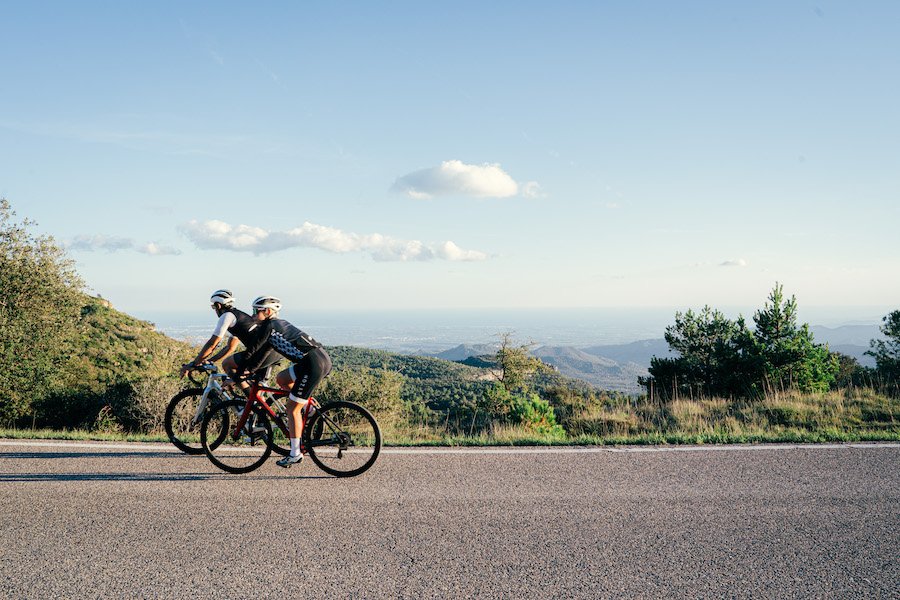
There, the landscape becomes softer and the colors change with the seasons, offering a perfect contrast for those looking for a full day on two wheels.
Cycling in the Serra de Prades is not just a sport: it is a way to discover, enjoy and connect with an authentic environment.
Each route is a new story that is written to the rhythm of pedaling.
-
Cambrils volvió a pedalear más allá de su mapa hace unos días, esta vez rumbo a San Sebastián, donde la Costa Daurada presentó su proyecto más ambicioso de los próximos años: el aterrizaje del Tour de France 2026.
La capital guipuzcoana, con ese aroma constante a ciclismo que ha visto rodar a generaciones enteras, fue el escenario final de un periplo promocional que ya había pasado por Gijón, Madrid y Valencia.
El acto, en un espacio emblemático de Donostia, reunió a 77 asistentes de esos que entienden el ciclismo no sólo como deporte, sino como cultura: Mujeres en Ruta, gente de Euskaltel, la firma Etxeondo, varios ciclistas profesionales y exprofesionales… un ecosistema que reconoce de inmediato cuando un territorio se toma en serio eso de invitar al ciclista a descubrirlo sin prisas, a golpe de pedal.
Y ahí Cambrils se siente cómodo, casi en casa.
Lleva años empujando su apuesta por el cicloturismo como quien pule una artesanía: rutas bien pensadas, carreteras que serpentean entre mar y montaña, servicios afinados para quien viaja con bicicleta, hoteles que saben qué necesita un ciclista cuando regresa cargado de kilómetros y silencio en las piernas.
Un destino que ha entendido que el ciclismo no es sólo deporte: es una forma de viajar, de ocupar el territorio, de desestacionalizar sin perder identidad.
En San Sebastián, Cambrils jugó un papel que fue más allá de la foto.
Ofreció apoyo institucional, sí, pero también algo muy suyo: gastronomía de territorio. El cóctel llevó sello cambrilense y cada asistente se marchó con una botella de Aceite de Oliva Virgen Extra de Cambrils, ese pequeño recordatorio líquido de que muchas veces el ciclismo —como la cocina— funciona por matices, por sabores que definen un lugar.
El ciclo de presentaciones tenía un objetivo claro: posicionar la Costa Daurada como el “Paraíso de las dos ruedas” en el contexto del Tour . No es menor: en 2026, por primera vez, el Tour rodará por estas carreteras.
La etapa del 5 de julio, entre Tarragona y Barcelona, será un escaparate global, un mapa emocional que millones de aficionados recorrerán desde sus pantallas… y que algunos, después, querrán pedalear.
La cita de San Sebastián, además, jugó con símbolos que pesan: el trofeo del Tour y el icónico maillot de líder de la montaña, allí expuestos, recordaron al público que el ciclismo vive de historias, de objetos que condensan hazañas y cicatrices. Hubo eco mediático, como era de esperar.
Patricia de Miguel, concejala de Turisme i Promoció Econòmica, lo resumió con la claridad de quien sabe hacia dónde quiere pedalear el municipio: “Cambrils tiene la oportunidad de presentarse al mundo como destino ciclista de referencia. El Tour 2026 no es sólo un evento: es una puerta abierta para mostrar la calidad del territorio, nuestros servicios especializados y una oferta gastronómica y turística que nos hace diferentes”.
El encuentro dejó lo que deja el buen ciclismo: contactos, sinergias, conversaciones que pueden convertirse en rutas, viajes y proyectos. Más visibilidad para la Costa Daurada, más proyección para Cambrils.
-
The Gran Parc del Pescador, in Cambrils, is one of the largest and most emblematic green spaces in the city, designed so that both residents and visitors can enjoy moments of rest and leisure. With more than 20,000 square meters, it is an ideal place to walk, relax or spend the day with family and friends.
This park is not only a place to breathe fresh air: it is also a cultural meeting point. It has an auditorium and a large square where concerts, theatrical performances and all kinds of events are held. This makes it a very versatile space, where something different and fun can happen every weekend.
For the little ones, the park is a true paradise. There are three play areas adapted to different ages: one for boys and girls from zero to six years old, another for those from two to ten years old and a last one for the older ones, from eight to fourteen years old. This way, each child can enjoy games specially designed for their age and level, making the experience safer and more fun.
The park has five different entrances, with several paths connecting all the areas. In addition, there are many corners to rest and enjoy nature: under the shade of the trees, next to the small lake or in the Mediterranean garden. Everything is designed so that visitors feel comfortable and can spend hours there without rushing.
And if you’re hungry or want a drink, there’s a very nice bar, located next to the Cambrils Tourist Board, where you can take a break while enjoying the views of the park.
Furthermore, the Gran Parc del Pescador is the perfect place for bike lovers. It is the ideal point to meet up with friends and start cycling trips from Cambrils, preparing the first pedal rides before taking to the road or paths.
In short, the Gran Parc del Pescador is much more than a park: it is a meeting point, a place to play, learn, relax and, of course, start cycling adventures. Whether you come to do sports, to walk, to participate in cultural activities or simply to enjoy nature, this green space offers everything you need to spend a fantastic day in Cambrils.
-
The Costa Daurada will once again be cycling territory in 2026. The 105th edition of the Volta Ciclista a Catalunya will feature a stage entirely within the region, a territory that combines beaches, mountainous interior, and roads ideal for cycling. The race will start in Mont-roig del Camp and finish in Vila-seca , but the most important aspect is not the specific towns, but the region itself: its landscapes and roads are perfect for enjoying cycling.
Three years ago, a stage finishing in Cambrils provided one of the most memorable days of the Volta a Catalunya: Richard Carapaz and Sergio Higuita staged a historic breakaway, riding through landscapes like Prades, the Coll de la Teixeta, Capafonts, and La Mussara. That day it became clear that the Costa Daurada is not just sea and beaches, but also mountainous interior and roads with everything a cyclist could ask for.
In 2026, the Volta a Catalunya will once again travel along the Costa Daurada, although the stage won’t pass directly through Cambrils, but very close by, demonstrating that the area remains a pioneering destination for cycle tourism . Its landscapes, pleasant climate, and combination of sea and mountains make the entire region ideal for cycling routes of all levels.
Cambrils, located on the Costa Daurada, is a good example of this: its surroundings offer quiet roads, spectacular views and perfect spots for cycling, the result of a territory that has committed to cycle tourism and has developed infrastructure and services adapted to those who enjoy cycling.
For now, the route of the Vuelta a España is still unknown , but everything points to the Costa Daurada potentially hosting another major professional cycling event in the near future.
Image: Manel Montilla
-
Discovering the Serra de Prades by bike is one of those experiences that remains recorded. Pedaling along its quiet roads and paths allows you to feel the nature, the silence and the history that surrounds every corner.
In the heart of the mountains is the municipality of Prades , a place with charm and mountain soul, where time seems to go to another rhythm and where every bend invites you to stop, look and breathe.
Just 35 kilometers from Cambrils , the ascent to Prades is already an adventure for cyclists: a classic route that combines stretches of coast and mountains, with landscapes that change with each ride.
Sales de Cambrils, and little by little the road is gaining height, with incredible landscapes over the municipality and its coastline, showing that here sea and mountains coexist in a narrow line.
From this central point there are dozens of routes for all levels: gentle walks between pine and oak forests, demanding ascents that reward spectacular views, and routes that link to such emblematic places as La Mussara , a natural balcony over the Camp de Tarragona that fascinates every cyclist who goes there.
The mountain roads also connect to the Priorat , a territory of vineyards and small stone towns that look like they were painted by hand.
There, the landscape becomes softer and the colors change with the seasons, offering a perfect contrast for those looking for a full day on two wheels.
Cycling in the Serra de Prades is not just a sport: it is a way to discover, enjoy and connect with an authentic environment.
Each route is a new story that is written to the rhythm of pedaling.

